Unlocking the Secrets of BMW Car Diagnostics Services
BMW vehicles are engineered with precision and advanced technology. Maintaining their performance requires more than routine checks. Understanding BMW car diagnostics services is essential for keeping these vehicles in top condition. I will share insights into how diagnostics work, what tools are best, and how to interpret results effectively.
Understanding BMW Car Diagnostics Services
BMW car diagnostics services involve using specialised equipment to read data from the vehicle’s electronic control units (ECUs). These systems monitor everything from engine performance to safety features. When a fault occurs, the ECU stores error codes. Diagnostics tools retrieve these codes to identify issues quickly.
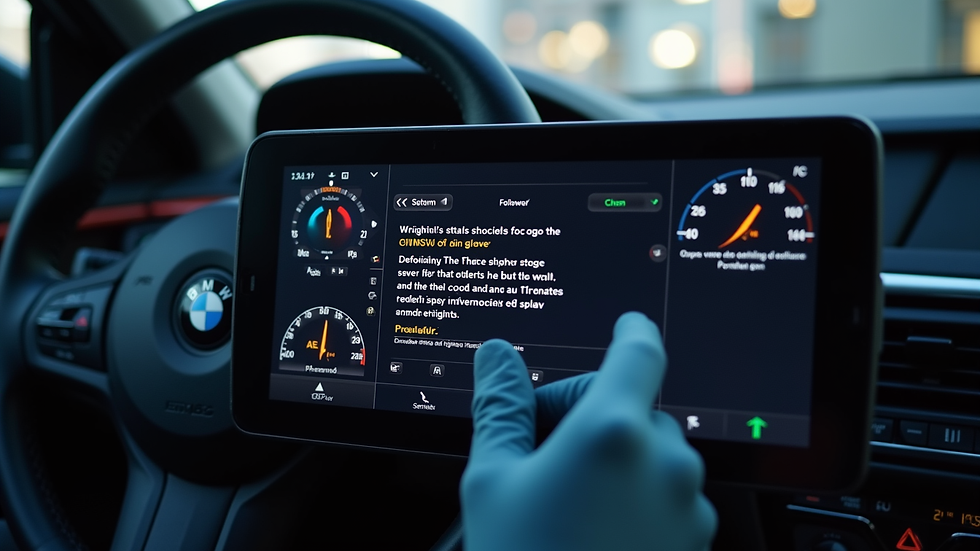
The process starts by connecting a diagnostic scanner to the car’s OBD-II port. This port is usually located under the dashboard. Once connected, the scanner communicates with the vehicle’s systems. It can display live data, error codes, and system status.
Using diagnostics services helps detect problems early. For example, a misfire in the engine or a failing sensor can be identified before it causes serious damage. This saves time and money on repairs.
Regular diagnostics also ensure software updates are applied. BMW often releases updates to improve performance or fix bugs. A diagnostic scan can confirm if the vehicle’s software is current.

Why Choose Professional Car Diagnostics Services?
Professional car diagnostics services offer accuracy and expertise. Independent specialists understand BMW systems deeply. They use advanced tools designed specifically for BMW models. This ensures precise readings and correct interpretation of data.
A professional service can perform comprehensive checks beyond basic error codes. They can test individual components, reset warning lights, and calibrate sensors. This level of service is crucial for maintaining the high standards expected from BMW vehicles.
For example, a specialist can diagnose complex issues like transmission faults or adaptive suspension problems. These require detailed knowledge and specialised equipment.
Choosing a local expert also means faster turnaround times. You get your vehicle back quickly without compromising quality. This is important for owners who rely on their BMW daily.
What is the Best Diagnostic for BMW?
The best diagnostic tool for BMW is one that supports all BMW-specific protocols and modules. It should read and clear fault codes from various systems such as engine, transmission, ABS, airbags, and more.
Professional diagnostic tools like ISTA (Integrated Service Technical Application) are widely used by BMW technicians. ISTA provides detailed fault descriptions, repair instructions, and coding capabilities. It is the official software used by BMW dealerships.
For independent specialists, tools like Autel MaxiSys or Launch X431 offer extensive BMW coverage. These tools provide live data, advanced diagnostics, and service functions like oil reset and battery registration.
When selecting a diagnostic tool, consider:
Compatibility with your BMW model and year
Ability to perform coding and programming
Access to live data and freeze frame information
User-friendly interface and support
Using the right diagnostic tool ensures accurate fault detection and effective repairs.
How to Interpret BMW Diagnostic Codes
Diagnostic trouble codes (DTCs) are alphanumeric codes stored by the vehicle’s ECU. Each code corresponds to a specific fault. Understanding these codes is key to effective troubleshooting.
Codes usually start with a letter followed by four digits. For example, P0301 indicates a misfire in cylinder 1. The letter indicates the system:
P: Powertrain (engine and transmission)
B: Body (airbags, lighting)
C: Chassis (ABS, suspension)
U: Network communication
Once you retrieve the codes, consult a BMW-specific database or manual. This will explain the fault and possible causes.
It is important not to rely solely on codes. They point to symptoms, not always the root cause. For example, a sensor code might indicate a wiring issue rather than a faulty sensor.
Performing live data analysis helps confirm the problem. Check sensor readings, voltage levels, and system responses. This approach avoids unnecessary part replacements.
After repairs, clear the codes and test drive the vehicle. If the fault does not return, the issue is resolved.
Benefits of Regular BMW Diagnostics
Regular diagnostics offer several benefits for BMW owners:
Early fault detection: Catch issues before they escalate.
Improved safety: Ensure airbags, ABS, and other safety systems function correctly.
Optimised performance: Maintain engine efficiency and fuel economy.
Cost savings: Avoid expensive repairs by addressing minor faults early.
Software updates: Keep vehicle software up to date for best performance.
Scheduling diagnostics as part of routine maintenance is a smart strategy. It helps maintain the vehicle’s value and reliability.
For those in Bathgate and surrounding areas, accessing expert diagnostics services locally means convenience and trust. A specialist familiar with BMW can provide tailored advice and support.
Taking Control of Your BMW’s Health
Understanding and using BMW diagnostics empowers you to take control of your vehicle’s health. Whether you perform basic scans yourself or rely on a professional, diagnostics are a vital tool.
If you want to learn more about bmw vehicle diagnostics, consider consulting a trusted independent specialist. They can guide you through the process and ensure your BMW receives expert care.
Regular diagnostics combined with expert maintenance will keep your BMW running smoothly for years. This approach protects your investment and enhances your driving experience.
Unlock the secrets of BMW diagnostics today and enjoy peace of mind on every journey.


Comments